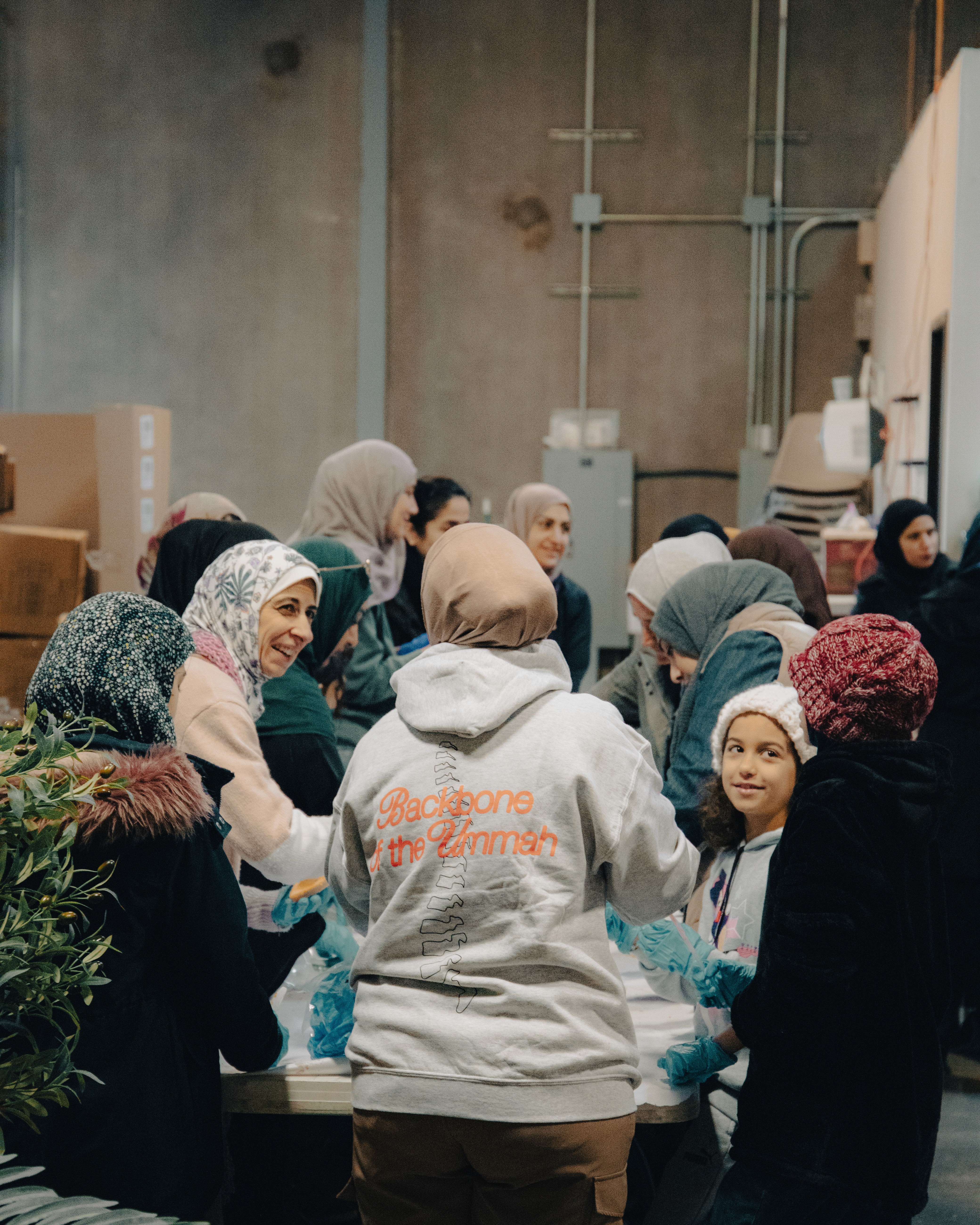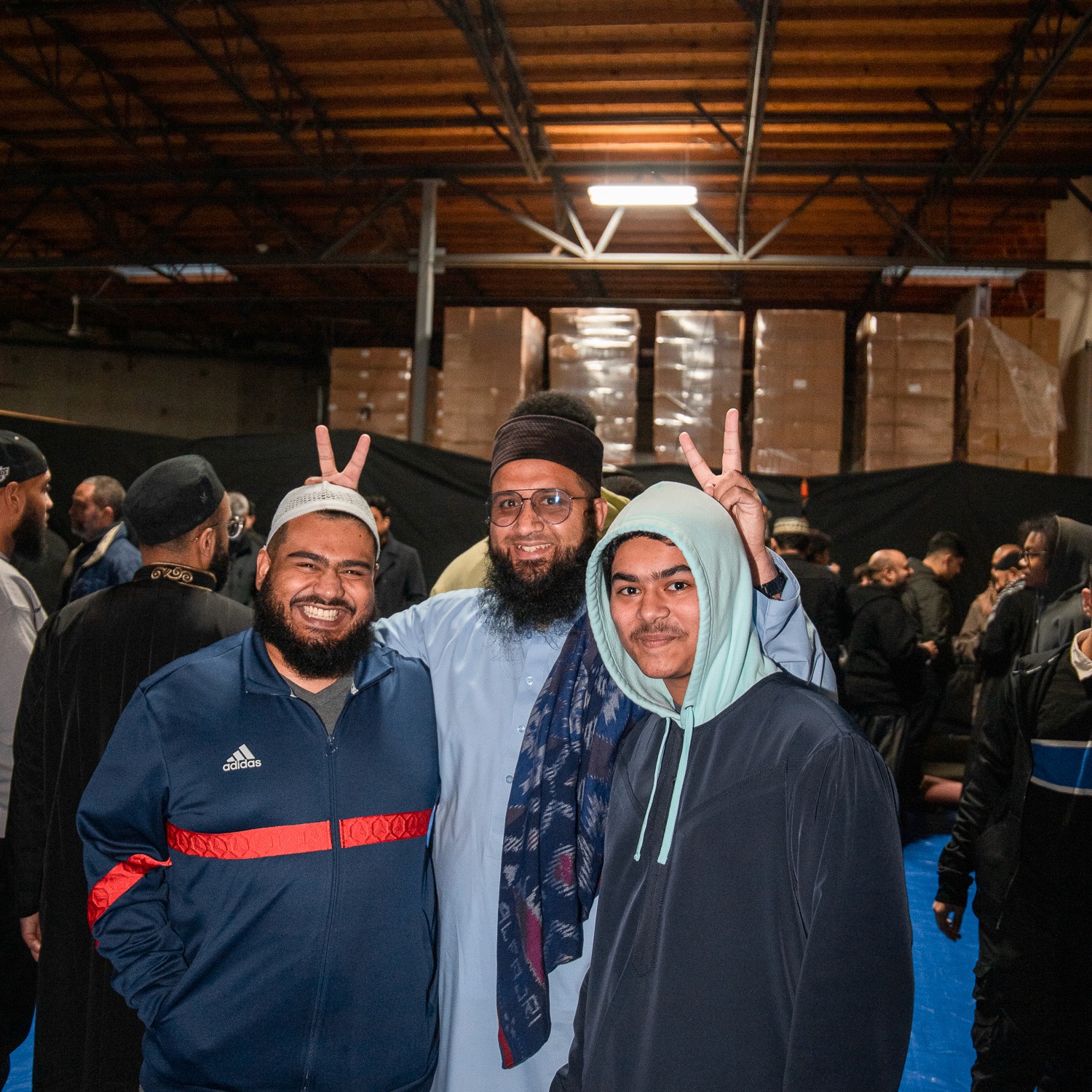
Annur Food Distribution
Help us serve you. If you require assistance can come to Masjid Annur (6990 65th Street)
Every 2nd and 4th Saturday of each month between 10am-12pm to collect free food.
These distributions are open to the public regardless of faith. You will need to enter through the Sun City Plaza.
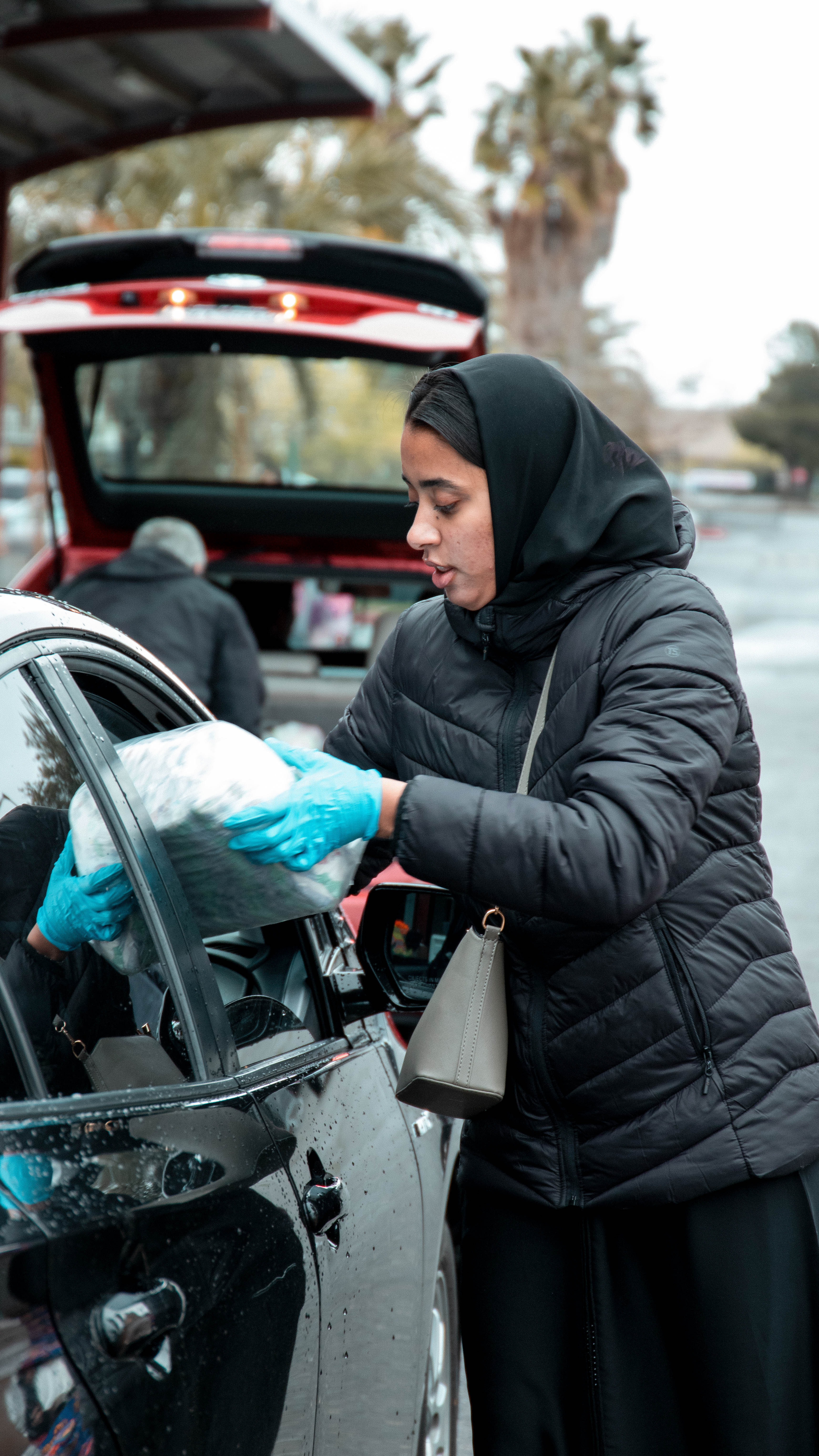
Salam Food Distribution
Help us serve you. If you require assistance can come to the American River College parking lot.
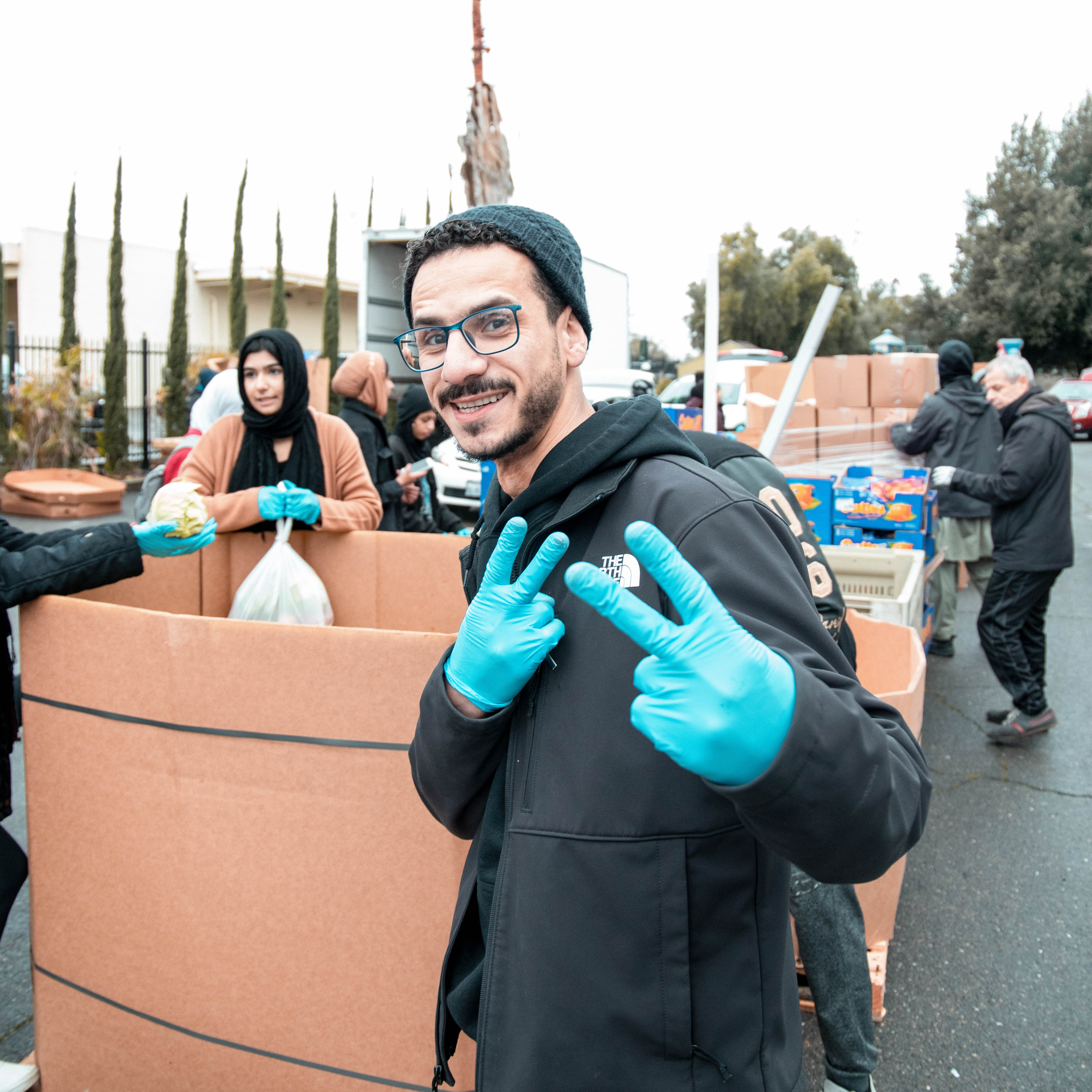
Every 1st Sunday of each month between 10am-12pm to collect free food.
These distributions are open to the public regardless of faith.
Nutrition and Health Services
Nutrition is a cornerstone of the program, with consistent feeding schemes established in ECD centers and primary schools. Malnutrition screenings are conducted regularly, followed by treatment and dietary supplementation where necessary. Health outreach efforts include immunizations, deworming, vitamin A distribution, and access to clean water and sanitation facilities.
Child Protection and Psycho social Support
Recognizing the vulnerabilities that children face, especially in poverty-stricken and marginalized areas, the program implements child protection mechanisms. Trained community workers and social workers monitor for abuse, neglect, and exploitation. Safe spaces are created for counseling, trauma healing, and mental health support. The program also collaborates with the Ministry of Interior and Legal Aid institutions to report and follow up on cases of child abuse.
Life Skills and Youth Empowerment
For adolescents and young adults, the program offers life skills training, vocational education, digital literacy, and entrepreneurship workshops. These efforts aim to equip youth with skills for employment and self-reliance. Topics such as reproductive health, financial literacy, and leadership development are integrated into peer-to-peer education programs and youth clubs.
Community and Caregiver Involvement
Community ownership and parental participation are critical. Regular caregiver forums, parenting classes, and home visits ensure families are fully involved in their children’s development. Caregivers receive training in nutrition, hygiene, budgeting, and stress management. Local leaders and community-based organizations are empowered to drive advocacy and accountability for child rights.
Monitoring and Evaluation
The program utilizes robust monitoring and evaluation systems to track child development outcomes. Data collection tools and digital dashboards are used to assess performance in education, health, nutrition, and protection. Continuous feedback loops help refine interventions and scale successful models.
Regional Impact
Operating across several counties in Kenya—including Kisumu, Kakamega, Nairobi, Turkana, and Kilifi—the Child Development Program has reached thousands of children and families. Its inclusive and community-driven approach has led to measurable improvements in school enrollment, health indicators, and child well-being.
Sustainability and Partnerships
The program's sustainability is ensured through partnerships with national and county governments, donor agencies, local NGOs, and private sector actors. Community contributions, volunteer networks, and capacity-building initiatives reinforce local resilience and long-term impact.